

01 Jun How can I support my grieving friend?
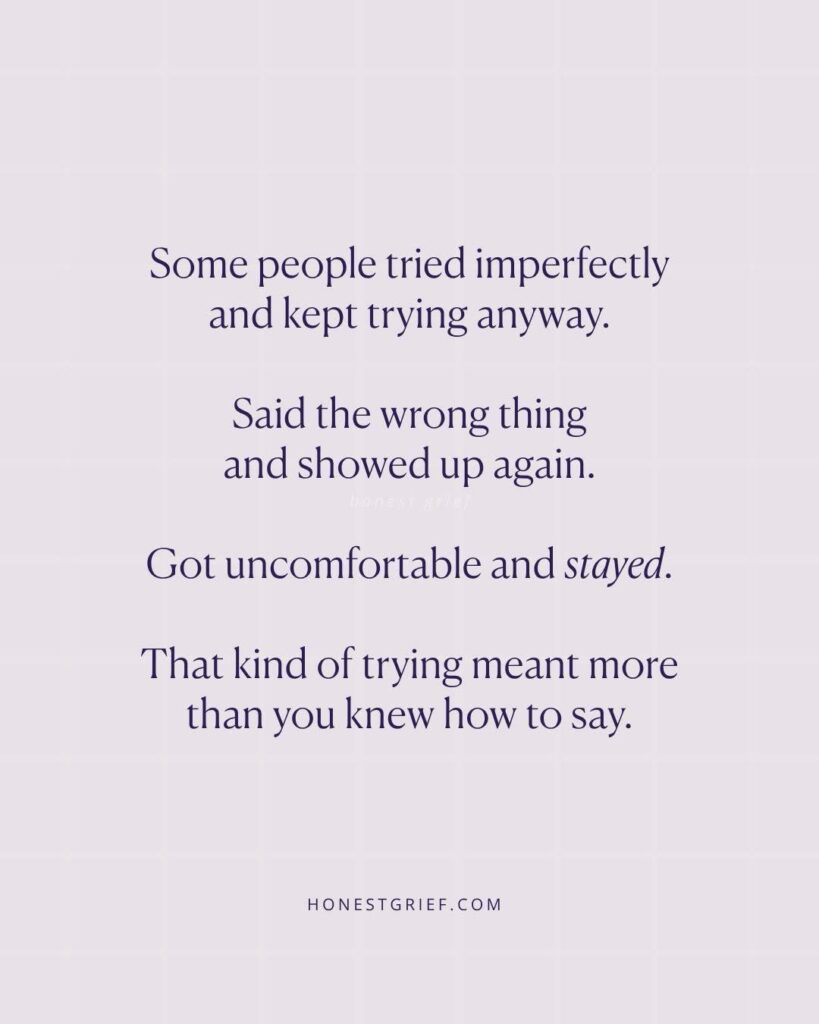
Scrolling through social media I came across this little quote and was blown away by the mountain of truths hidden behind the few simple words. So much so that I felt compelled to write about it – throwing in the odd snippet from my own personal experience.
A question I’m sure we all agonise over is – what should or shouldn’t we say to someone who has lost a loved one?
-someone whose heart has been shattered and damaged beyond repair…
-someone who is hurting so much they can hardly even contemplate getting through another day – never mind the rest of their life…
-someone who feels they have been hit by a tsunami and are ragged, broken and numb!
Just for context we lost our twenty five year old son Ben to SADS in 2018 so you’d be forgiven for thinking I might know what to say – yet the truth is I actually don’t!
The reality is there is nothing (absolutely nothing) you can say that will make your grieving friend feel better. Nothing will take their pain away or ease their broken heart.
I know that whatever words I use (even with the best intentions) they will be imperfect, inadequate, inaccurate, inappropriate, insensitive, insufficient, unsatisfactory…
Needless to say we all get it wrong! So the simple message is that it’s not what we say (thankfully) but our showing up that counts!
One of the most beautiful things anyone did was sit and cry with me – no words, no platitudes, no thoughts, no advice. Just pure empathetic love that validated my pain.

The thing about grief is that it’s not just the agony of loss (which in itself is brutal) but all the other add ons – shock, trauma, unanswered questions, sleeplessness, fear, anger, jealousy, guilt, loneliness, regret…
There is no blueprint for grief as it impacts everyone differently and shapes us into someone who looks the same but isn’t.
Our loss breaks something inside that is unfixable. We might feel like we’re losing our mind. We may become distracted, oversensitive and unpredictable. It might sap our confidence, change our perceptions and lead to depression…
The other thing is that it continues long after everyone else has moved on. We become terrified our loved one will be forgotten.
We can find ourselves frozen in the moment (often for years), stuck somewhere between the joy of what we had and the brutal awareness that it’s gone.
It takes a lot of love to stick around someone like that.

I’m so so thankful to those who didn’t necessarily say the right thing (whatever that is!) but simply stayed. Beautiful friends who gave me space to rant, ask questions that have no answers, didn’t judge and forgave me for saying some irrational (probably not very nice) things.
Remember there is nothing – absolutely nothing – you can say that will make a bereaved person feel better. But there are some things you can say or do that might make them feel worse…
-staying away because you don’t know what to say is worse!
-saying you know how they feel is worse. Despite what you may have been through, you can’t know.
So here are a few little tips from me…
I used to hate it when someone put their hand on my arm and said ‘sorry for your loss!’ Of course it was meant as a kind gesture but I found it too generic, too impersonal. Instead name their person… ‘I’m so sorry to hear about your mum etc…’.
Hugs are good but check first (and don’t hold on for too long as I felt like I couldn’t breathe).
Thoughtful gifts, cards, flowers, etc are always appreciated as any kind gesture is an act of love.
Don’t say ‘let me know if you need anything’ as they probably don’t know what they need and can’t even think or make decisions – all they want is their special person back!! Just take the initiative and do something – anything!!
Don’t sit in awkward silence – that made me go all panicky inside!! If you can’t think of anything to say just talk about their loved one or even what happened – though best to check that they’re comfortable with that!
Ask them how they’re doing ‘today’ (as it will change from minute to minute) and give them time and space to answer (honestly). Try not to offer advice.
Grief is exhausting – I remember falling asleep at random times (even mid sentence) then lying awake in a panic most of the night!! You could suggest going out for a coffee, walk, lunch, theatre… anything!! They can always say no but will have appreciated the invitation.

Don’t ignore the elephant in the room. You might think talking about their loss or mentioning their loved one will remind them and make them sad!! Trust me they never forget (not ever) and crying is ok.
Don’t use platitudes – most are simply patronising, irritating and wrong. For example saying ‘they’re in a better place’ or ‘Just hold on to your memories’ isn’t helpful or comforting because we want them here.
Remember there is no blueprint – everyone finds their own way to survive and we all do that differently. I hate it when someone points out how well another person is coping or how remarkable they are. It just adds to my guilt because I know I’m not.
Losing someone you love is simply brutal – particularly when it’s out of order, sudden or traumatic. Don’t start a sentence with ‘at least…’ it’s not our place to try and find positives in someone else’s loss!
And finally everything doesn’t happen for a reason – sadly bad things just happen! None of us knows what tomorrow might bring 🙏🏻

For Ben 💛
CREDIT: Ruth McDonald 2026